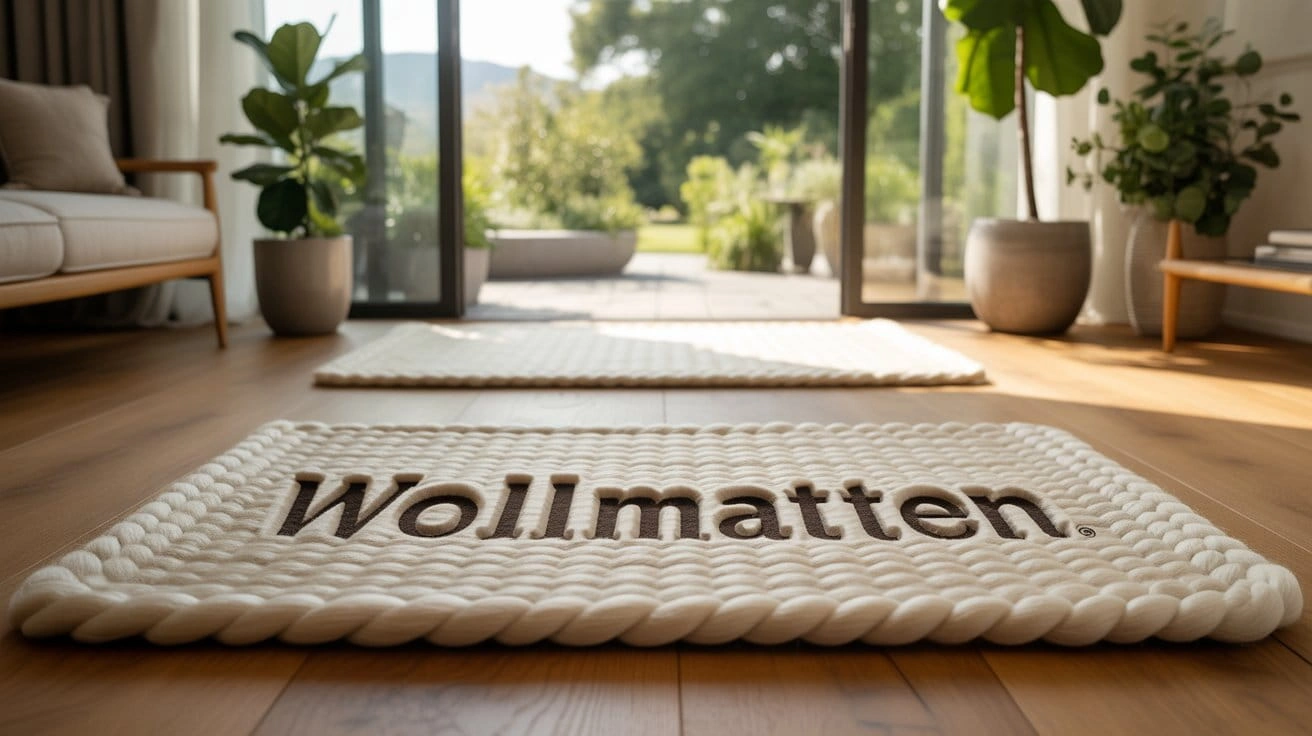
Wollmatten Explained: Natural Wool Mats for Modern Living
Sustainable materials are no longer a niche interest—they are becoming a core requirement for modern homes, green construction, and conscious lifestyles. Among these materials, Wollmatten stand out as a practical and environmentally responsible solution that combines comfort, performance, and longevity. From insulation and interior design to gardening and sound control, wool mats are being rediscovered and reimagined for today’s needs.
This in-depth guide explains what these wool mats are, why they matter, how they are used in real life, and what you should consider before choosing them. Whether you are a homeowner, builder, designer, or sustainability enthusiast, this article is designed to answer your questions clearly and thoroughly.
What Are Wollmatten?
Wollmatten are mats produced primarily from natural sheep wool that has been felted, pressed, or layered into dense yet breathable sheets. Wool fibers naturally interlock when exposed to moisture, heat, and movement, creating a stable structure without the need for synthetic binders.
Historically, wool mats were handcrafted for warmth and protection. Today, modern processing methods allow them to be manufactured in consistent thicknesses and densities, making them suitable for residential, agricultural, and commercial applications. Depending on how they are made, these mats can be soft and flexible or firm and highly insulating.
What makes them unique is not just the material itself, but how wool behaves under different conditions. Wool fibers can absorb moisture, regulate temperature, and remain resilient even under repeated use.
Why Wollmatten Are Gaining Popularity
Growing concern about climate impact, indoor air quality, and material safety has shifted attention toward renewable resources. Wool is naturally renewable, biodegradable, and requires far less chemical processing than synthetic alternatives.
In addition, many people are seeking materials that feel authentic and natural rather than artificial. Wool mats deliver tactile comfort while also solving practical problems such as insulation, humidity control, and noise reduction. This combination of function and sustainability is driving renewed interest across Europe and beyond.
The Natural Science Behind Wool Performance
Wool fibers have a complex physical structure that explains their versatility. Each fiber is crimped, meaning it has a natural wave. This creates countless tiny air pockets when fibers are compressed together.
These air pockets slow down heat transfer, which is why wool has been used for centuries as a natural insulator. At the same time, wool fibers can absorb water vapor without feeling damp, helping regulate humidity levels in enclosed spaces.
Another lesser-known property is wool’s ability to bind certain airborne particles. This contributes to cleaner indoor air and makes wool-based products attractive for allergy-sensitive environments.
Key Benefits of Wollmatten
Comfort and Indoor Well-Being
One of the most noticeable advantages is comfort. Wool mats feel warm underfoot and create a calmer indoor atmosphere. Because wool regulates moisture, rooms feel less dry in winter and less stuffy in summer.
Thermal and Acoustic Insulation
When used in walls, floors, or ceilings, Wollmatten reduce heat loss and dampen sound. This makes them especially valuable in apartments, offices, and energy-efficient homes where comfort and quiet are priorities.
Sustainability and Environmental Impact
Wool is biodegradable and returns nutrients to the soil when it decomposes. Its production generally has a lower environmental footprint than plastic-based materials, particularly when sourced responsibly.
Long-Term Durability
Despite being a natural fiber, wool is remarkably resilient. Properly maintained mats can last for decades without losing their structural integrity or performance.
Potential Challenges to Consider
No material is perfect, and wool mats are no exception. Cost can be higher upfront compared to synthetic products, although this is often balanced by longevity and performance. Wool also requires thoughtful moisture management in areas exposed to prolonged wetness.
In some environments, untreated wool may attract insects. This issue is commonly addressed through natural treatments or proper placement rather than chemical solutions.
Understanding these limitations helps ensure that the material is used where it performs best.
Real-World Applications of Wollmatten
Residential Interiors
In homes, wool mats are used as floor coverings, underlays, and insulation layers. Bedrooms, living rooms, and home offices benefit most due to improved warmth and sound absorption.
Sustainable Construction
Builders increasingly integrate wool mats into eco-friendly construction projects. Their breathability helps reduce condensation, which protects building structures over time.
Gardening and Landscaping
In outdoor settings, Wollmatten function as biodegradable ground covers. They suppress weeds, retain soil moisture, and gradually enrich the soil as they break down.
Commercial and Industrial Settings
Offices, studios, and workshops use dense wool mats for acoustic panels, vibration control, and packaging solutions where sustainability is a priority.
How to Choose the Right Wollmatten
When selecting wool mats, it is important to match the product to its purpose.
- Density and thickness: Thicker mats work best for insulation, while thinner ones suit flooring or garden use.
- Fiber quality: High-quality wool improves durability and performance.
- Processing method: Felted mats differ from layered mats in flexibility and strength.
- Environmental treatment: Look for natural pest-resistant or moisture-resistant finishes when needed.
Choosing thoughtfully ensures optimal results and long-term satisfaction.
Installation and Use: Step-by-Step Overview
Indoor Use
- Prepare a clean, dry surface.
- Cut the mat to size if necessary.
- Lay it flat without tension or compression.
- Allow airflow around the material for best performance.
Outdoor or Garden Use
- Clear weeds and level the soil.
- Place the mat directly on the ground.
- Cover lightly with soil or mulch if desired.
- Water normally and allow natural decomposition over time.
These steps help preserve functionality while maximizing benefits.
Caring for Wollmatten Over Time
Routine care is simple. Regular vacuuming removes dust without damaging fibers. Spills should be blotted rather than rubbed, and harsh chemical cleaners should be avoided.
If the mat becomes damp, allowing it to dry naturally in a ventilated area is usually sufficient. With basic care, wool mats retain their appearance and performance for many years.
FAQ’s
Are wool mats suitable for modern homes?
Yes. They integrate well with contemporary interiors while offering natural comfort and insulation.
Do they work in warm climates?
Yes. Wool regulates temperature and prevents overheating by allowing air circulation.
How long do they last?
With proper care, wool mats can last several decades.
Are they safe for people with allergies?
Wool naturally traps dust particles and helps stabilize humidity, which may improve indoor comfort for many people.
Can they replace synthetic insulation?
In many residential and small commercial projects, they can serve as an effective alternative.
Final Thoughts
Wollmatten represent a return to intelligent material use—where performance, comfort, and environmental responsibility coexist. Their ability to insulate, regulate moisture, and improve indoor environments makes them relevant across homes, gardens, and modern construction projects.
For anyone seeking a natural material that aligns with sustainable values without sacrificing practicality, wool mats offer a proven and future-ready solution.