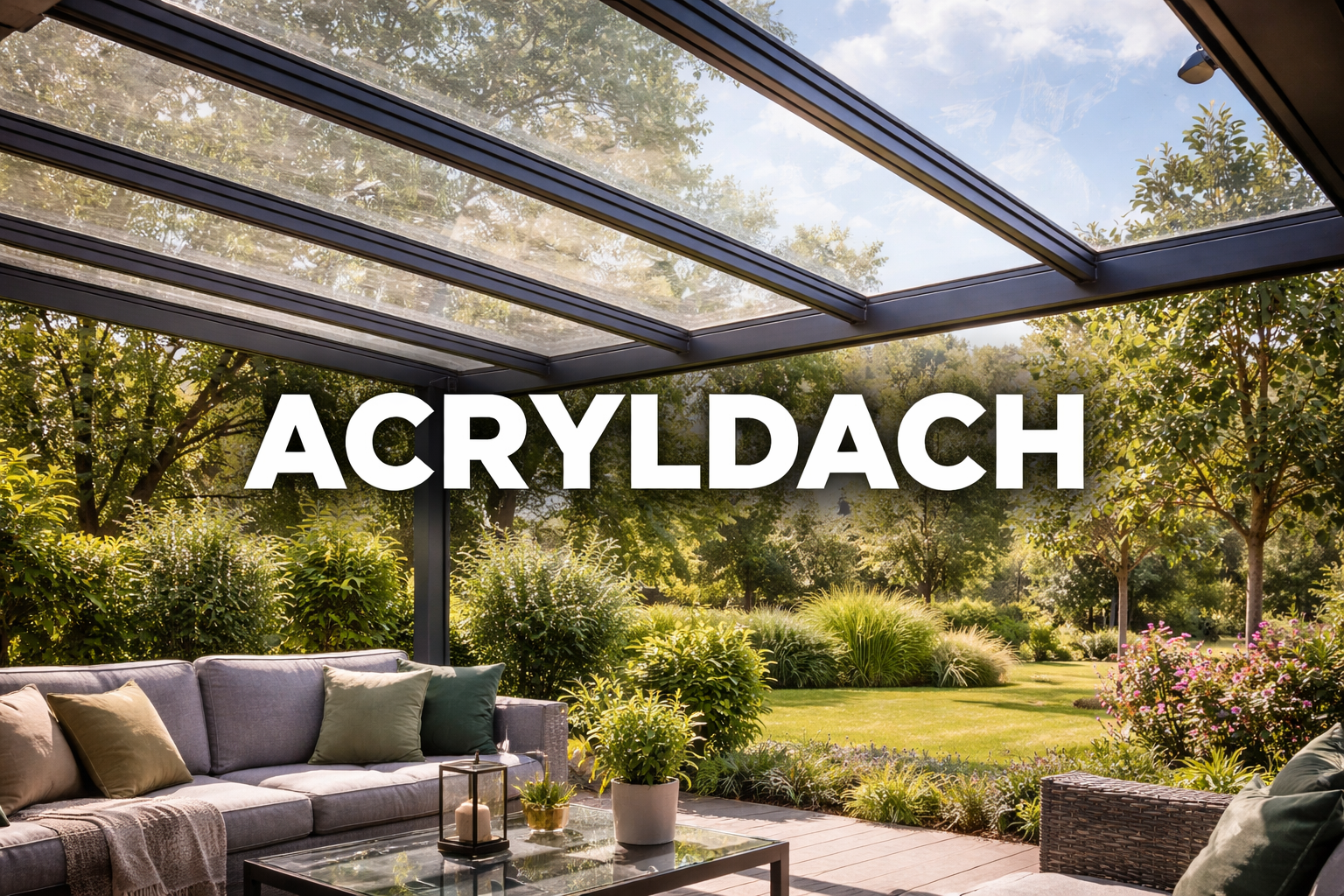
Acryldach Explained: Modern Transparent Roofing Guide
An acryldach is a modern roofing solution made from acrylic sheets, also known as PMMA (polymethyl methacrylate). Unlike traditional tiles, metal, or concrete roofs, this material allows natural daylight to pass through while still providing weather protection. It is commonly used for terraces, patios, carports, garden structures, walkways, balconies, and commercial canopies.
Over the last decade, interest in transparent and semi transparent roofing has grown rapidly. Homeowners and architects want brighter spaces, lower energy usage, and visually open designs. Acrylic roofing meets these expectations better than many older materials.
From my experience working with outdoor structure planning and renovation projects, people often underestimate how much a roof influences comfort. A dark patio becomes a space nobody uses. Once acrylic panels are installed, the same area becomes warm, bright, and functional all year. That practical transformation is why this material keeps gaining popularity.
This guide explains what acrylic roofing is, how it works, its advantages and limits, installation considerations, maintenance, cost factors, and real world use cases so you can decide if it fits your project.
What Is an Acryldach?
An acryl roof is built using acrylic plastic panels instead of solid opaque roofing materials. Acrylic is a thermoplastic known for clarity, impact resistance, and long term durability.
Key material characteristics include:
- High light transmission, often over 90 percent
- Strong resistance to UV radiation
- Lightweight compared to glass
- Weather stability in heat, rain, and snow
- Smooth surface that resists dirt buildup
Unlike polycarbonate, acrylic stays clearer for longer periods and does not yellow quickly if quality panels are used. That makes it ideal where visual appearance matters, such as patios, entrances, winter gardens, and commercial storefront covers.
Acrylic panels are available in:
- Clear
- Opal or milky white
- Tinted bronze or grey
- Structured or corrugated styles
Each type supports different lighting and privacy needs.
Why People Choose Acrylic Roofing
Natural Light Without Losing Protection
The biggest advantage is light. Traditional roofs block sunlight. Acrylic roofs allow daylight to enter while still protecting against rain, wind, and snow. This reduces the need for artificial lighting during the day and creates a more pleasant atmosphere.
In terrace projects I have seen, homeowners often report they start using the space twice as much after installation because it no longer feels closed or gloomy.
Lightweight Construction
Acrylic weighs much less than glass or concrete roofing. This reduces load on the structure and allows simpler framing. Older buildings especially benefit because they cannot always support heavy materials.
Visual Modern Design
Transparent roofing looks modern and open. It blends well with metal, wood, and aluminum frames. This is why it is popular in minimalist architecture, cafes, garden rooms, and commercial entrances.
Weather and UV Resistance
High quality acrylic resists UV degradation, moisture, and temperature fluctuations. It does not rust, rot, or absorb water. With proper installation, it performs well in both hot summers and cold winters.
Energy Efficiency Benefits
By allowing sunlight to enter, indoor and semi outdoor spaces stay warmer in winter and brighter year round. This reduces lighting usage and, in some climates, lowers heating needs.
Long Service Life
When installed correctly and maintained properly, acrylic roofing can last 15 to 25 years or more depending on thickness and exposure.
Where Acryldach Is Commonly Used
Acrylic roofs are extremely flexible in application.
Residential Uses
- Patio and terrace covers
- Balcony roofing
- Carports
- Pergolas
- Garden rooms
- Walkway shelters
These areas benefit from light while still staying protected from weather.
Commercial Uses
- Store entrances
- Restaurant outdoor seating
- Hotel canopies
- Office building walkways
- Shopping arcades
In business settings, brightness creates a more inviting environment for customers and employees.
Industrial and Public Areas
- Parking structures
- Factory walkways
- Bus stops
- Covered corridors
Acrylic roofing reduces maintenance compared to metal and provides natural lighting to large spaces.
Understanding Acrylic Panel Types
Choosing the right panel type is essential for performance and comfort.
Clear Acrylic Panels
These allow maximum light transmission. They are best for areas where brightness is the main goal, such as winter gardens and patios.
However, in very sunny climates, they can increase heat buildup.
Opal or Milky Panels
These diffuse sunlight. Instead of direct glare, light spreads softly. This is excellent for comfort areas like balconies and seating spaces.
They reduce heat and protect privacy while still keeping brightness.
Tinted Acrylic Sheets
Bronze or grey tints control sunlight intensity and reduce glare. They are useful where strong sun exposure occurs.
Corrugated vs Flat Panels
Corrugated panels offer better water drainage and structural strength. Flat panels look cleaner and more modern but require careful framing to prevent sagging.
Your selection should balance appearance, climate, and structural design.
Installation Considerations
Installing acrylic roofing correctly determines how long it lasts and how comfortable the space feels.
Structural Frame
The supporting structure must be level, stable, and corrosion resistant. Aluminum and treated wood are commonly used.
Spacing between supports must follow the panel thickness requirements to avoid bending.
Expansion Gaps
Acrylic expands and contracts with temperature changes. If installers forget expansion gaps, panels may crack over time.
Every project should include:
- Side expansion spacing
- End clearance
- Floating fixings instead of rigid locking
Fastening Method
Rubber washers and special screws prevent stress fractures. Drilling must be done with correct bit sizes to avoid micro cracks.
Slope and Drainage
Acrylic roofs need slope for water runoff. Flat installation causes puddles, dirt buildup, and algae growth.
A minimum slope ensures rainwater flows away easily.
Ventilation and Heat Control
Transparent roofs can trap heat. Adding side ventilation, shading options, or opal panels improves comfort.
This is a mistake I often see: people install clear panels and forget airflow, then complain about heat later.
Maintenance and Care
Acrylic roofing does not require heavy maintenance, but some basic care keeps it looking new.
Regular Cleaning
Use:
- Soft cloth
- Mild soap
- Lukewarm water
Avoid abrasive sponges, alcohol cleaners, and strong chemicals.
Dirt and Leaf Removal
Leaves and debris trap moisture. Cleaning twice a year prevents staining and algae growth.
Scratch Prevention
Never use rough brushes. Acrylic scratches easier than glass, but careful handling keeps surfaces clear.
Inspect Fasteners
Once a year, check screws and seals to ensure expansion movement is not blocked.
With proper care, clarity remains high for many years.
Advantages Compared to Other Roofing Materials
Compared to Glass
- Much lighter
- More impact resistant
- Easier installation
- Lower structural load
Glass offers excellent clarity but is heavy and risky in breakage.
Compared to Polycarbonate
- Better long term clarity
- Less yellowing
- More stable appearance
Polycarbonate is stronger for impact, but acrylic wins in visual quality.
Compared to Metal Roofing
- Allows light
- Does not rust
- Creates open feeling
Metal blocks light and often makes covered areas dark and less inviting.
Compared to PVC
- Longer lifespan
- Better UV resistance
- Higher visual quality
PVC is cheaper but degrades faster outdoors.
Challenges and Limitations
No roofing solution is perfect. Acrylic also has limitations.
Heat Accumulation
Clear panels can create greenhouse effect in summer. Without shading or ventilation, the area becomes uncomfortable.
Scratch Sensitivity
Compared to glass, acrylic scratches more easily. This affects appearance if cleaning is careless.
Higher Cost Than Basic Plastic
Quality acrylic costs more than PVC or thin polycarbonate, though still cheaper than glass in many projects.
Noise During Rain
Rain on plastic roofing can sound louder than on solid concrete or tile roofs. Adding insulation layers reduces this issue.
Understanding these limitations helps avoid disappointment and improves design decisions.
Cost Factors of Acrylic Roofing
Pricing varies depending on several elements:
- Panel thickness
- Type (clear, opal, tinted)
- Size of project
- Frame material
- Installation complexity
In general, thicker panels cost more but last longer and feel more stable.
Budget planning should include:
- Panels
- Frame
- Fasteners
- Labor
- Drainage and accessories
From experience, trying to save money on thickness usually leads to earlier replacement. Balanced investment delivers better value long term.
Safety and Durability
Modern acrylic panels are designed for outdoor exposure. They resist:
- UV rays
- Rain and snow
- Wind pressure
- Temperature changes
However, they are not unbreakable. Falling branches, heavy impact, or incorrect installation can cause cracks.
Using certified panels and professional installation greatly improves safety.
Environmental Aspects
Acrylic is recyclable. Many manufacturers offer recycling programs for old panels. Its long lifespan also reduces waste compared to cheaper plastics that need frequent replacement.
By reducing artificial lighting usage through natural daylight, acrylic roofing indirectly saves energy over time.
How to Choose the Right Acryldach for Your Project
Before buying, ask yourself:
- Do I want full light or diffused light?
- Is heat control important in my climate?
- What frame material suits my building?
- How much load can my structure carry?
- Do I need privacy from above?
For example:
- Garden rooms benefit from clear or opal panels.
- Balconies work better with opal for comfort.
- Carports often use tinted panels to protect vehicles from sun.
Matching material choice with usage creates long term satisfaction.
Common Mistakes to Avoid
- Choosing clear panels in very hot climates without shading
- Forgetting expansion gaps
- Installing without proper slope
- Using cheap fasteners
- Cleaning with abrasive materials
Most problems people face are installation related, not material related.
Future Trends in Acrylic Roofing
Design trends continue moving toward open architecture. Acrylic roofing is becoming smarter with:
- UV filtered layers
- Heat reflecting coatings
- Improved scratch resistance
- Integrated shading systems
In future building projects, transparent roofing will likely become standard for semi outdoor living spaces.
Frequently Asked Questions
What is the lifespan of an acrylic roof?
With good quality panels and proper installation, acrylic roofing typically lasts between 15 and 25 years depending on climate and maintenance.
Does acrylic roofing turn yellow over time?
Low quality sheets may yellow. High quality UV stabilized panels maintain clarity for many years with minimal color change.
Can acrylic roofing handle snow loads?
Yes, if the correct thickness and support spacing are used. Structural planning must match local weather conditions.
Is acrylic roofing waterproof?
Yes. When installed with proper slope and sealing, acrylic panels provide excellent water resistance.
Does acrylic roofing reduce noise?
On its own, acrylic can amplify rain noise. Adding insulation layers or thicker panels helps reduce sound.
Can acrylic roofing be cut and customized?
Yes. Acrylic sheets can be cut, drilled, and shaped using proper tools, making them suitable for custom projects.
Conclusion
An acryl roof is a practical, visually attractive, and functional roofing solution for modern living spaces. It combines daylight access with weather protection, making patios, balconies, and commercial areas more usable throughout the year.
When chosen carefully and installed correctly, acrylic roofing offers long lifespan, energy benefits, and architectural beauty. Its success depends less on the material alone and more on proper design decisions like panel type, ventilation, slope, and maintenance planning.
For anyone looking to transform outdoor or semi outdoor spaces into bright, comfortable environments, acrylic roofing remains one of the most balanced solutions available today.